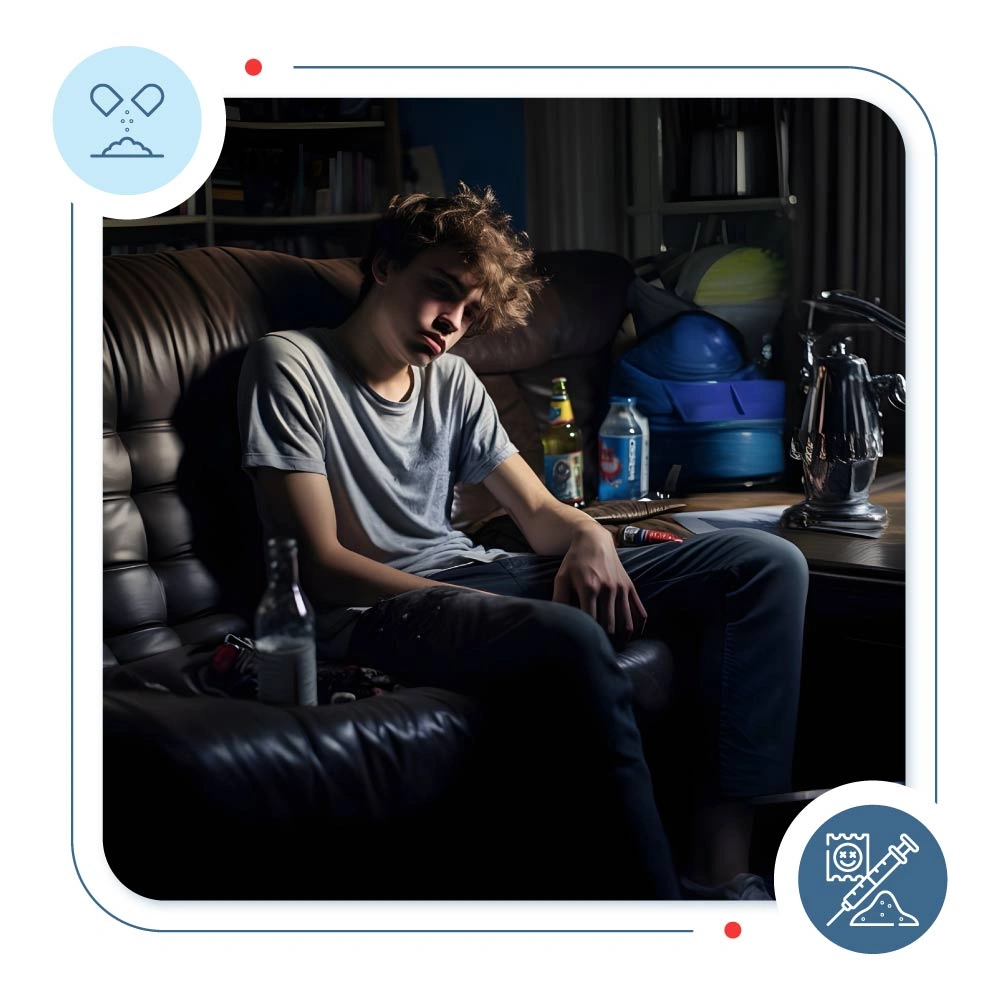
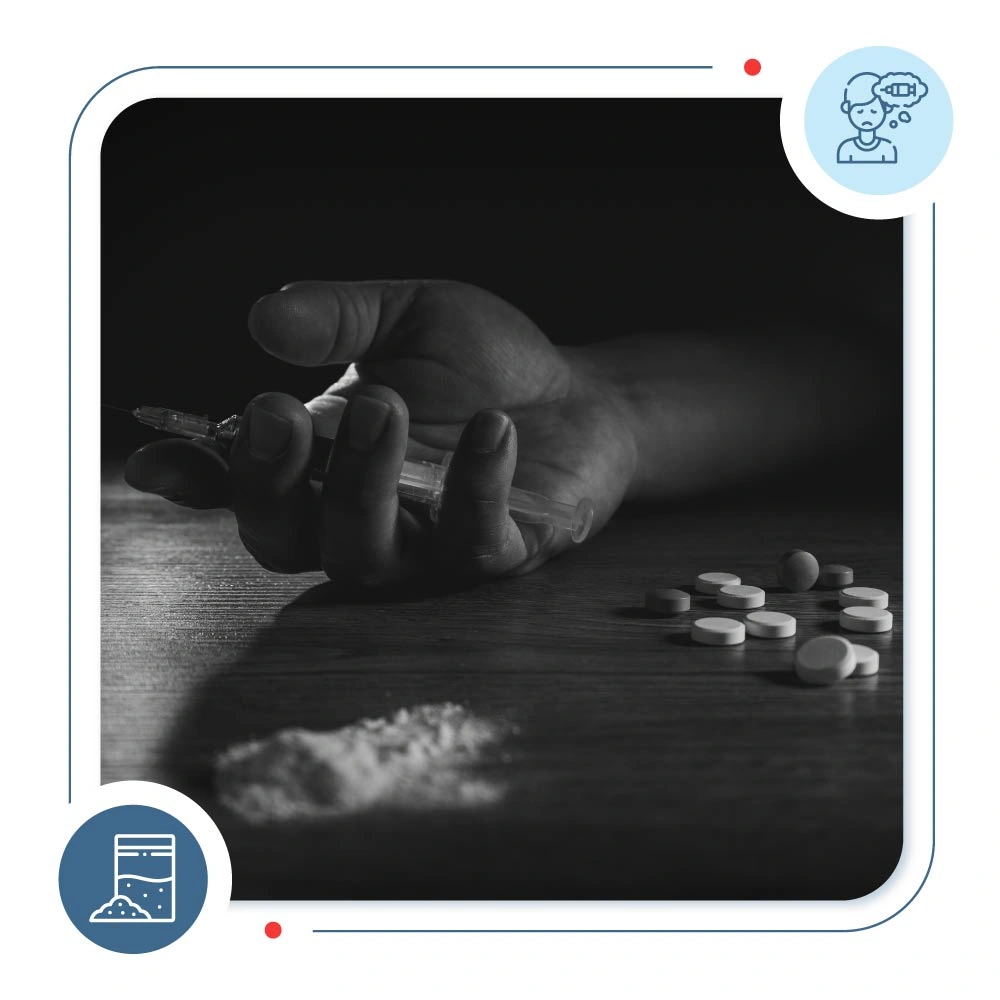
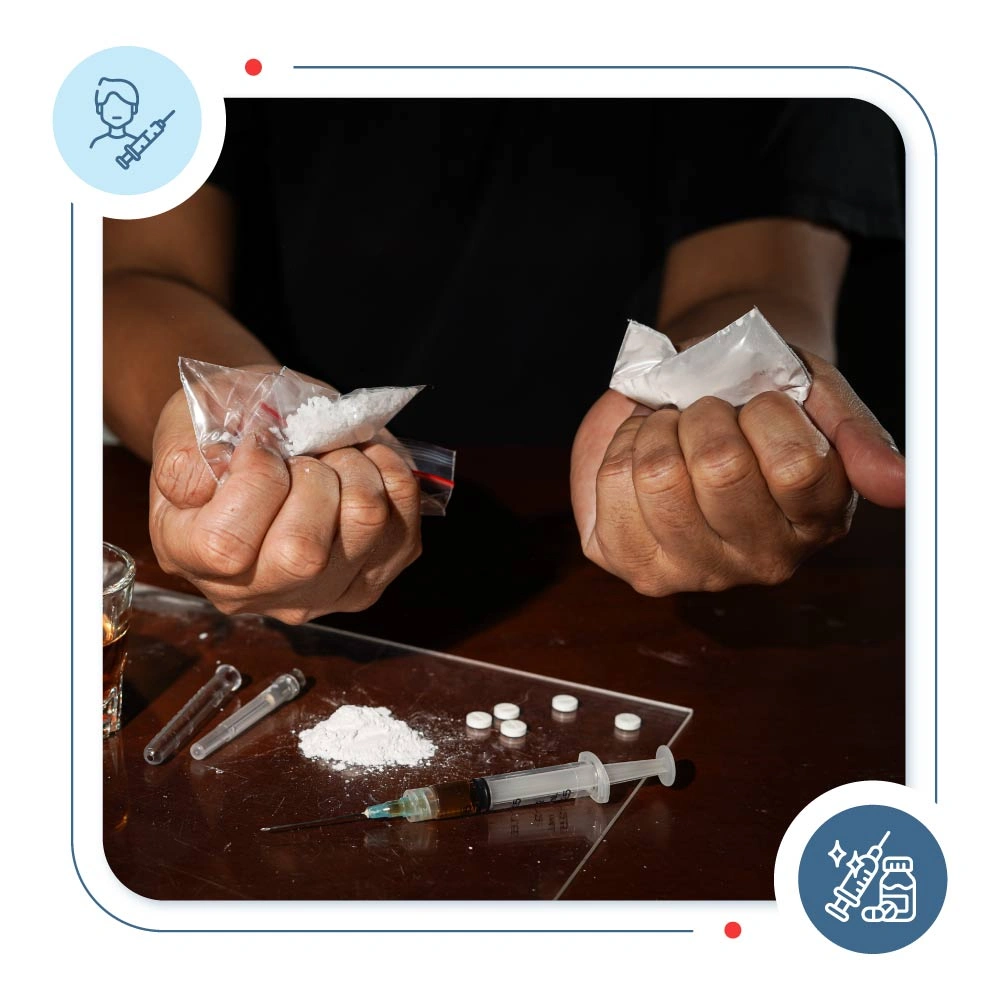
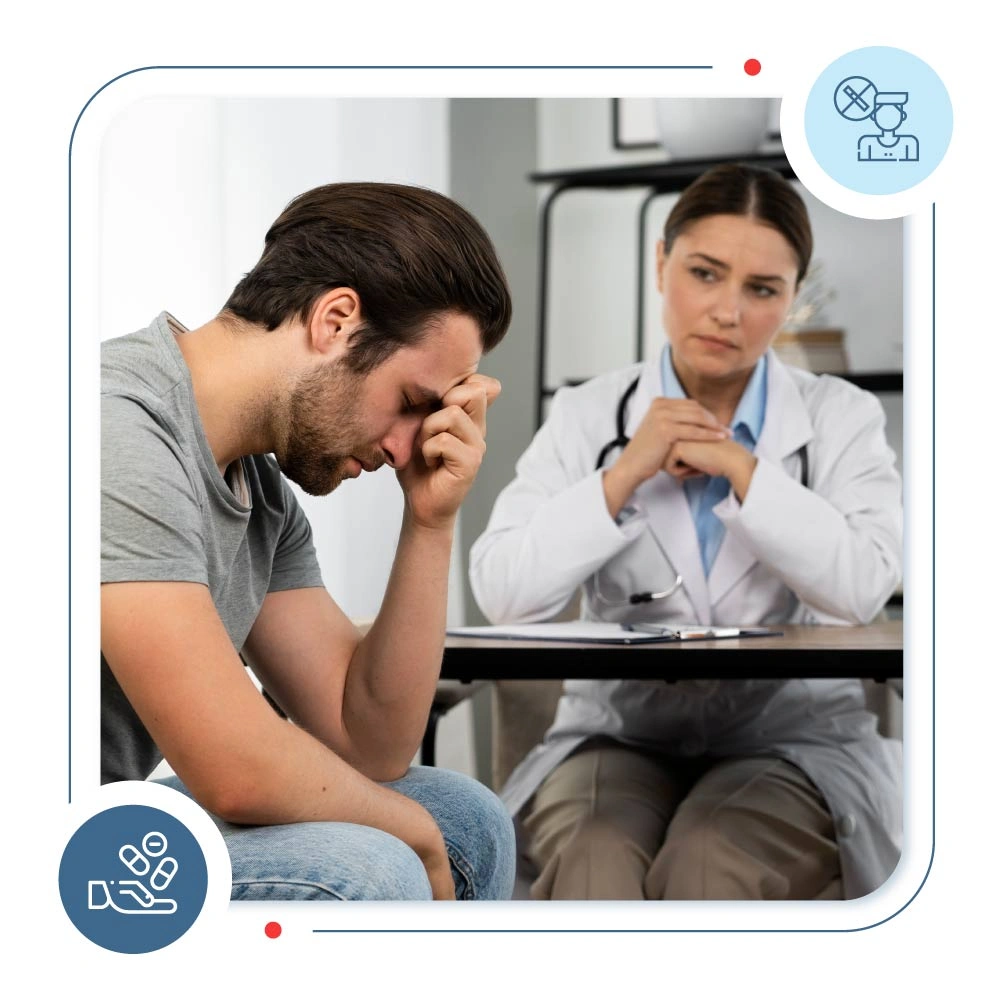
Addiction is a chronic mental health condition involving complex interactions among brain circuits, genetics, the environment, and an individual’s life experiences. It is characterized by compulsive engagement with substances or behaviors, despite knowing that the outcomes are harmful. Fortunately, this is treatable condition.
Addiction affects the brain, especially the basal ganglia, and causes lasting changes in the brain circuits that control reward and regulate motivation, pleasure, and habit formation. With persistent use of a substance or addiction to a behavior, the brain becomes less sensitive to natural rewards, making it hard to feel pleasure.
Based on the Diagnostic and Statistical Manual of Mental Disorders (Fifth Edition) (DSM-5), addiction is no longer categorized as Substance-Related Disorders (as in the previous version, DSM-IV), but as Substance-Related and Addictive Disorders. The change is an indication of increased awareness that addiction is not limited to substances, but some behaviors also constitute it.
Mid Cities Psychiatry offers you the best management options for addiction. We understand the challenges you face while fighting this mental health issue, and we provide you with comprehensive care to make your mental health journey better.
Addiction affects not only the body but also a person’s emotional and psychological well-being. People with addiction may find it difficult to control their actions, even when they are aware of the consequences and the symptoms. These symptoms not only interfere with daily life but can also ruin relationships and overall quality of life.
Common symptoms of addiction may include:
Intense cravings for the substance or behavior
Lack of self-control
Discomfort and withdrawal when trying to quit addiction
Rapid mood swings, frustrated
Anxiety
Failing to meet family and work responsibilities
Suicidal thoughts or engaging in risky behaviors
Early recognition of these signs allows for timely and more effective treatment.
There is not a single cause of addiction; addiction normally develops from a combination of biological, psychological, and environmental factors. Although some people might be naturally more susceptible, others can cause it to develop through life events like trauma, stress, or exposure to addictive substances. After the reward system of the brain is disrupted, cravings and compulsions will occur, and it will be hard to quit the problem without support.
The DSM-5 (Diagnostic and Statistical Manual of Mental Disorders, Fifth Edition) includes addictions in the category of Substance-Related and Addictive Disorders. This indicates the realization that substances as well as specific actions can change the reward system of the brain.
Substance Addictions include list of substances or chemicals mentioned below:
Alcohol
Caffeine
Cannabis
Hallucinogens
Inhalants
Opioids
Sedatives, hypnotics, and anxiolytics
Stimulants
Tobacco
Non Substance Addictions (behavioral addictions) includes:
Currently DSM-5 (Diagnostic and Statistical Manual of Mental Disorders, Fifth Edition) recognizes only gambling disorder as a diagnosable behavioral addiction in the subsection of “non-substance-related disorders” in the category of “substance-related and addictive disorders.” But other than gambling, nowadays there are some other non-substance or behavioral addictions which have seen commonly.
Gambling (only non-substance-related addiction officially recognized In DSM-5)
Mid Cities Psychiatry provides professional assistance that focuses on addressing both physical and psychological well-being. Our expert professionals help individuals regain control of their lives. Mid Cities Psychiatry offers you all sorts of psychiatric support and psychotherapies needed to manage addiction.
Untreated addiction may result in serious physical and psychological health effects such as organ damage, an impaired immune system, and an increased chance of overdose. It usually ruins relationships, leads to loss of job, and disrupts daily functioning. Over time, the untreated addiction can lead to the development of other mental health conditions that can be life-threatening if one does not seek professional help on time.
02
Are individuals capable of completely overcoming addiction?
Yes, addiction is a condition that can be treated through proper treatment and counseling. A combination of therapy, counseling, medication-assisted treatment, and support groups helps many people attain permanent relief. Though the recovery is associated with relapses, the continuous care and relapse prevention interventions play a huge role in long-term recovery.
03
Which lifestyle modifications are beneficial to assist in long-term recovery?
Adopting a healthy lifestyle and practicing self-care can help in long-term recovery. It is also necessary to establish good social networks and avoid people who are associated with drugs. Establishing daily activities and being involved in peer support groups helps in decreasing the risk of relapse and encouraging persistent stability in recovery.
04
Is addiction hereditary or genetic?
Yes, genetics may predispose individuals to addiction. It has been noticed through various researches that there are certain factors which contribute to ADDICTION. Factors include family history, environment, upbringing, lifestyles and personal choices.
I’ve been going to Dr. Kazi since 2015 and she has helped me get through a lot of my hardest times. When I came to her in 2015 my mind had taken over my body and my life. She got me through it. She is caring, professional and excellent at her God-given gift as a Psychiatrist. Thanks, Dr. Kazi for giving a part of yourself to many daily. You are a true Blessing to many.
Barbara P
☆☆☆☆☆
I have been a patient for two years. Every staff member has been outstanding. Amanda Bell is a blessing. She is compassionate, and sincere, listens intently and is always able to calm me and help me focus and get the most from my treatments. Dr Kazi has been available whenever I need help. She is on top of my care and aggressively monitors my progress. I came to her suffering major depression and overall a mess. My mental health has substantially improved under her care and she is continuing to help me reach and maintain even higher levels of health. The office does have strict policies but everything is clear and patients are well informed at all times. The guidelines are appropriate and reasonable. I highly recommend this mental health clinic
Kala A
☆☆☆☆☆
Fantastic staff and providers, excellent services, amazing care, compassionate professionals, timely prescription refills, and a calm atmosphere. What more could you ask for?
Reahanna D
☆☆☆☆☆
I have had amazing experiences with this business, both on the medical and business side. Any issues I've experienced with billing have been handled gracefully and with patience; the staff are very easy to talk to and are understanding. I LOVE PA Hofer; she (and other staff) are always very quick to answer online Portal questions, are very flexible with visits, understand when it comes to medication costs/changes, and go the extra step when it comes to evidence-based practice.
Deepika T
☆☆☆☆☆
I've been taking my mom to Dr. Kazi for the past 17 months and we still go. She is an amazing physician and her staff is very warm and welcoming. She has helped my mom when mom needed her the most. If it was not for Dr. Kazi's, I don't know what would have happened to my mom. I am so grateful to her. The bonus is her staff is awesome. Very response to emails and phone calls. Amanda is amazing!! I can't thank Dr. Kazi enough!!