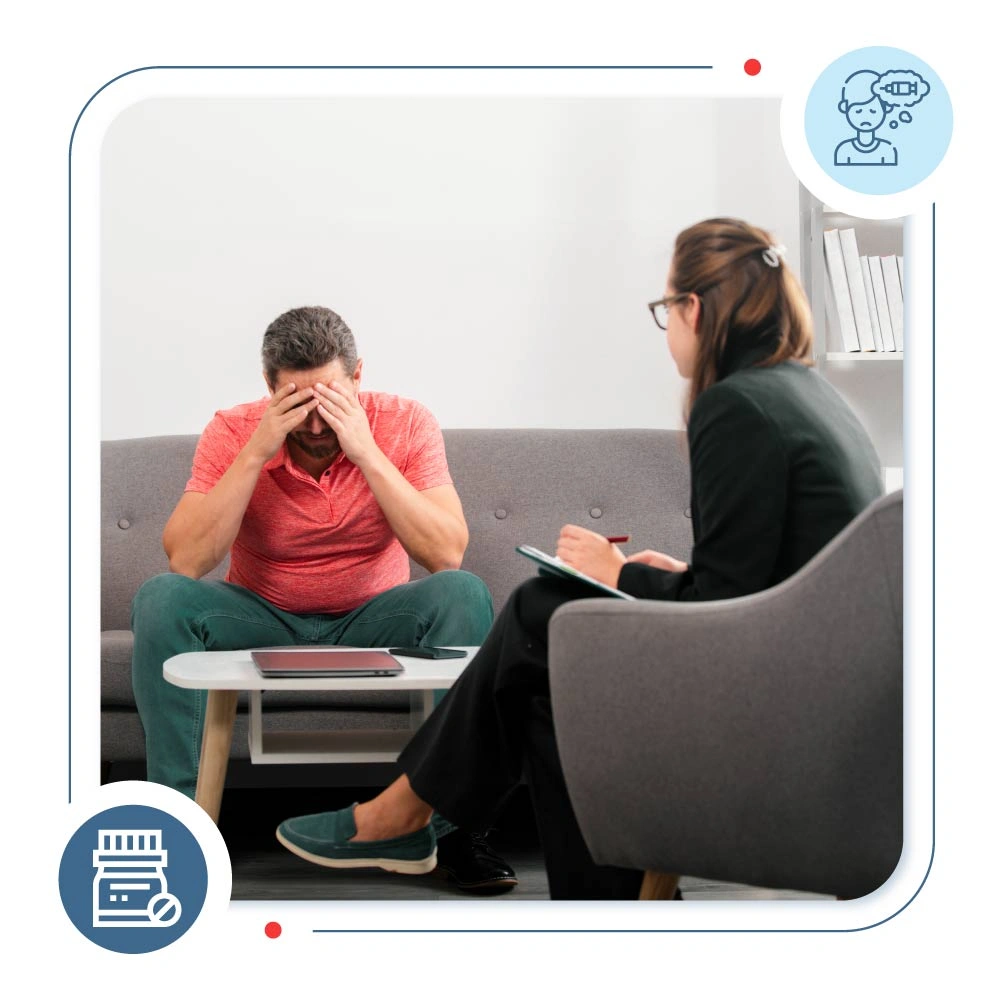

Opioid Addiction
What is Opioid Addiction?
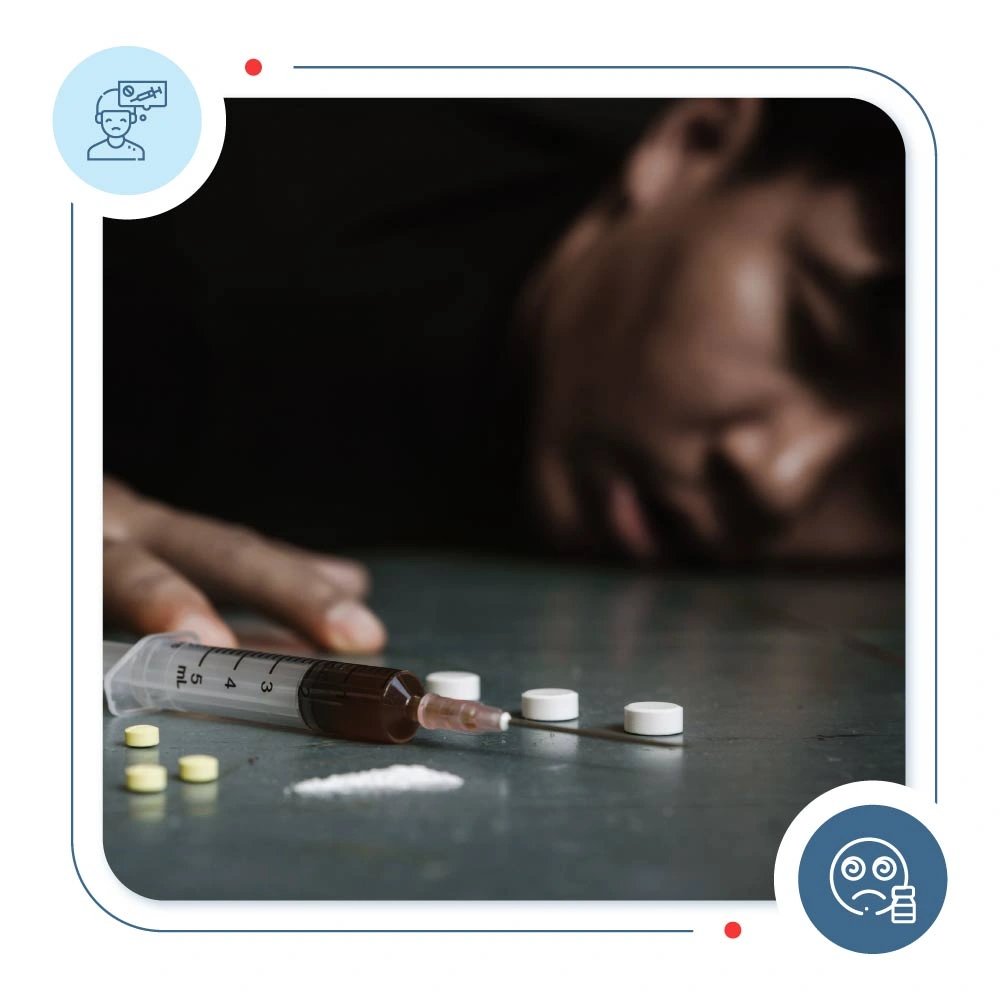
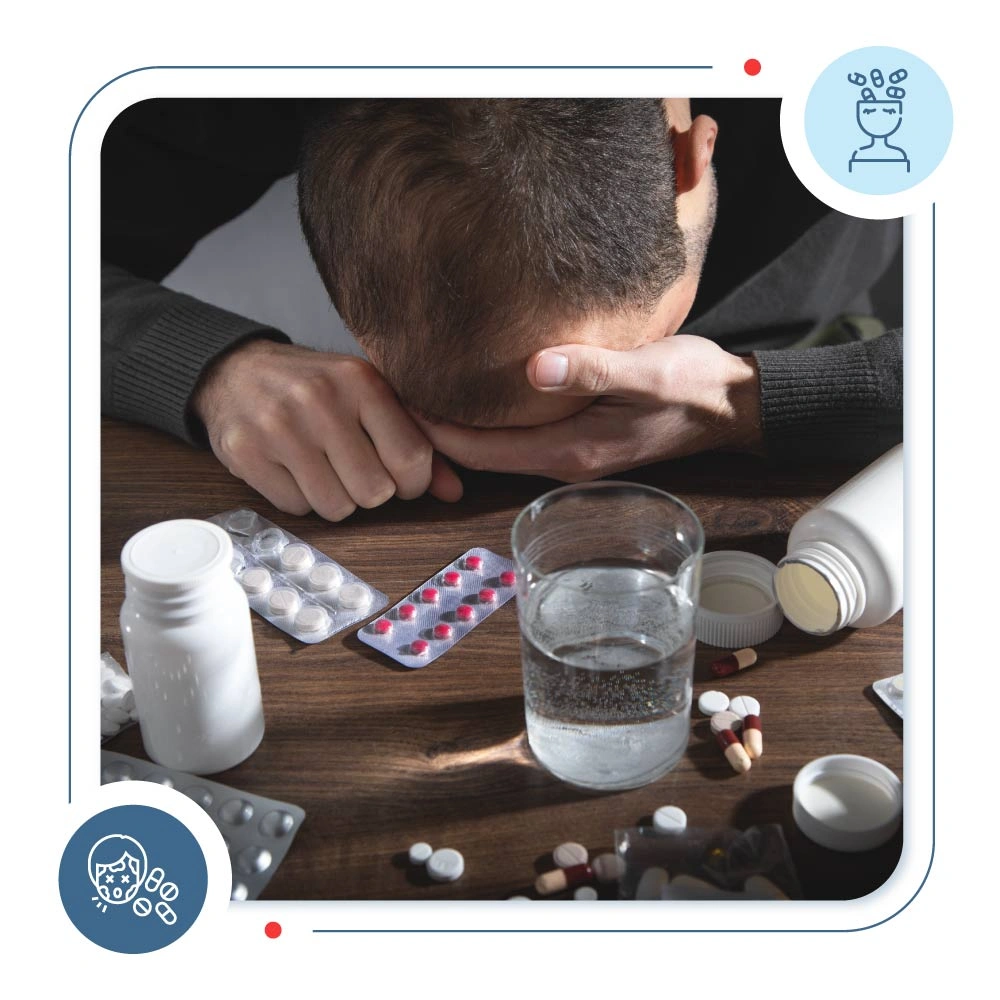
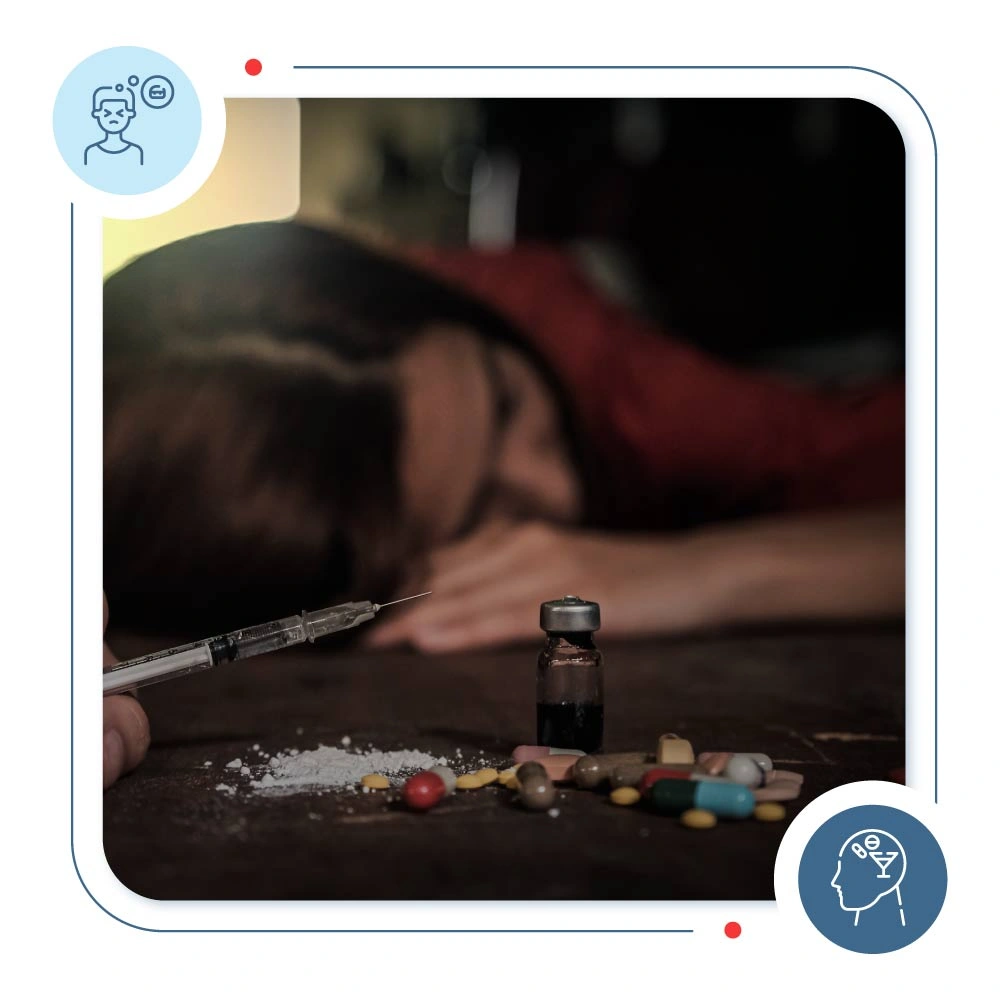
Opioid addiction, also known as opioid use disorder (OUD), is a mental health condition in which a person is completely dependent on opioids. According to the Diagnostic Statistical Manual (DSM-5), opioid addiction is categorized as a substance use disorder. These drugs include pain relievers like oxycodone, morphine, and methadone, as well as illegal opioids.
The addiction to opioids affects an individual physically and psychologically, as it binds the brain chemistry, making it extremely hard to resist without proper treatment. Most individuals begin taking opioids for medical purposes, such as pain treatment. However, after prolonged use, they may become opioid-dependent. Over time, the brain adapts to the drug, reducing its natural ability to relieve pain and creating a strong drive to continue using.
According to the Global Burden of Diseases, Injuries, and Risk Factors Study, over 16 million people suffer from opioid use disorder, with North America being the most affected. Opioids are more common in men than in women and can severely affect mental health. Roughly half of the people with opioid disorder also have other mental health conditions like depression, anxiety, and PTSD.
At Mid Cities Psychiatry, our qualified doctors and professionally trained staff offer psychiatric evaluation and psychological assessment, and provide compassionate and non-judgmental care that gives you lasting recovery.
Opioid Addiction Symptoms
The signs of opioid symptoms begin with small changes in behavior that are not easy to recognize at first. Opioid provides temporary happiness and relief from pain, but also carry a great risk of addiction. Over time, the brain gets used to the drug and craves more despite negative consequences, to achieve the desired effects.
Common symptoms include:
- Nausea
- Excessive sweating
- Strong cravings for a drug
- Require a higher dosage for the same effect
- Mood swings
- Intolerance
- Social withdrawal
- Depression
According to the Diagnostic Statistical Manual, the criteria for Opioid use disorder are:
A problematic pattern of opioid use leading to clinically significant impairment or distress, as manifested by at least two of the following, occurring within 12 months
- Taking opioids in larger amounts/longer than intended
- Persistent desire or unsuccessful efforts to cut down
- Spending excessive time obtaining/using/recovering from opioids
- Cravings and urges to use
- Failure to meet responsibilities (work, school, home)
- Continued use despite problems
- Giving up important activities
- Using opioids in dangerous situations
- Continued use despite physical/psychological harm
- Tolerance (needing more for effect)
- Withdrawal symptoms
What Causes Opioid Addiction?
Addiction to opioids is the result of biological, psychological, and environmental factors combined. Opioids interact with brain nerve cells that block the pain receptors from reaching the brain and develop the feelings of euphoria (happy feelings) by activating the brain’s reward system.
- Genetics
- Exposure to traumatic events
- Repeated opioid exposure
- Existing mental health conditions like anxiety, depression, or PTSD
- Changes brain chemical
- Family history of substance use disorder
Phases Of Opioid Addiction
Opioid use disorder or opioid addiction is characterized in the Diagnostic Statistical Manual (DSM-5) based on the severity of the symptoms. These classifications help professionals plan the treatment according to the severity. Opioid misuse often starts with prescribed medications for pain relief but can progress into a chronic disorder that impacts the brain, body, and overall lifestyle.
The DSM-5 defines opioid addiction severity in three stages
- Mild: 2–3 symptoms with early warning signs of misuse.
- Moderate: 4–5 symptoms with increasing physical, emotional, and social impairment.
- Severe: 6 or more symptoms with high overdose risk and significant life disruption.
Treatment for Opioid Addiction
- Medications
- Detoxification
- Psychotherapy
- Cognitive Behavioral Therapy (CBT)
- Substance Abuse Psychotherapy
- Individual Therapy
Opioid Addiction FAQ's
01
Why are opioids so addictive?
Opioids trigger the brain’s reward system by flooding it with dopamine, creating intense feelings of pleasure and pain relief. Over time, the brain craves that rush again and again, making it easy to develop dependence. This powerful cycle explains why opioids are highly addictive for many people.
02
How long does opioid withdrawal last?
Opioid withdrawal usually starts within 6–12 hours for short-acting opioids and can last about a week. The worst symptoms often peak around day 2–3. Some people may experience lingering issues like fatigue, sleep problems, or mood swings for weeks, depending on how long and heavily opioids were used.
03
Why do people get addicted to painkillers?
Prescription painkillers ease severe pain, but they also produce feelings of relaxation and euphoria. When used beyond medical guidance, the body and brain start to depend on them for comfort. Over time, tolerance builds, leading people to need more of the drug and increasing the risk of addiction.
04
How to help someone with opioid addiction?
Start with empathy and open conversation , avoid blame. Encourage them to seek professional help, whether through a doctor, addiction specialist, or treatment program. Support can include therapy, medication-assisted treatment, and peer groups. Being patient, listening, and offering consistent encouragement are powerful ways to help someone on their recovery journey.
Real Stories, Real Recovery
We provide a comprehensive care provision for the most common mental issues people struggle with, such as PTSD, ADHD, OCD, anxiety, depression, sleep disorder, schizophrenia, and numerous other mental health conditions.