Mental Health Drugs

Mental-Health-Austin

Mental Health Drugs: Types, Uses, and Treatment

If you have been wondering whether you need psychiatric medications or not and how they work, you are definitely not alone in this dilemma. Many patients take time before taking these drugs because of their side effects and possible dependence.

Mental health medication is used for the regulation of brain chemicals and improvement of depression, anxiety, attention deficit hyperactivity disorder, bipolar disorders, and schizophrenia symptoms. Under proper supervision of a certified psychiatrist, such medication can positively influence patients’ lives.

This article will explain how psychiatric drugs work, what kind of medication exists, and what treatment process includes.

Indications for Mental Health Medication

Mental health medications should be considered if symptoms start affecting an individual’s ability to function on a day-to-day basis. Whereas one person might have success using only counseling treatment for his/her mental health condition, another will find more success using medication combined with therapy.

However, in clinical psychiatric practice, there is no such thing as a single blanket approach when it comes to medication. A trained professional will assess the condition, severity of symptoms, medical background of the patient, as well as the degree of impairment.

Mental health medications can be prescribed in cases where:

  • Symptoms continue despite lifestyle modifications or counseling
  • Functions at work, school, or social interactions are impacted
  • There is a high level of emotional discomfort or anxiety
  • ADHD, bipolar disorders, or psychoses are present
  • Health risks are involved
Indications-for-Mental-Health-Medication

At Mid Cities Psychiatry, treatment decisions are based on best practices and personalized treatment plans. Patients receive a comprehensive evaluation as well as continuous monitoring for ensuring that they are provided with the best care possible, suited to their requirements.

After deciding that the individual requires medication, the next task is to become familiar with the different kinds of medicines available for mental disorders and the uses of each. This is important since each category of medicine acts on a particular symptom or condition, making it essential for selection purposes.

The most commonly used mental health medications include:

Antidepressants

They are often prescribed for depression and anxiety because they increase the amount of serotonin and other neurotransmitters in the brain. The most widely used antidepressants include:

  • Selective serotonin reuptake inhibitors (SSRIs)
  • Serotonin-norepinephrine reuptake inhibitors (SNRIs)
  • Norepinephrine-dopamine reuptake inhibitors (NDRIs)

Anti-psychotics

They work on treating conditions such as schizophrenia and bipolar disorders as they act on dopamine neurotransmission within the brain.

Mood stabilizers

These help control mood swings, especially in bipolar disorder, preventing extreme emotional highs and lows.

Anti-anxiety Drugs

These medications alleviate symptoms such as anxiety, restlessness, and panic attacks,  providing short-term or long-term relief.

Stimulants

Often used to treat Attention Deficit Hyperactivity Disorder (ADHD), stimulant medication increases attention and concentration.

Mental-Health-Medications-Affect-on-the-Brain

Mental Health Medications Affect on the Brain

Our brain is one of the most complex organs of the body. It conducts, transfers, and responds to thousands of stimuli every second. These signals travel among the neurons through a communication system called the neurotransmitter system. These include serotonin, dopamine, norepinephrine, GABA, and glutamate systems.

The mental health drugs work primarily by regulating the neurotransmitter pathways to restore normal brain functioning and mitigate the symptoms of the mental illness. The modulation of these chemicals can regulate mood, decrease the symptoms of depression, anxiety, and phobias, and alleviate other symptoms.

Selecting the Right Mental Health Medication

Selecting a mental health drug should not be a straightforward process since it aims at reducing symptoms without causing side effects that may impair quality of life.

Mental health specialists have to assess every individual to determine whether the use of drugs will benefit their well-being. Such an analysis involves looking into various factors that might affect the efficacy of the treatment process.

These include:

  • Diagnosis
  • Symptoms severity
  • Medical background
  • Side effect profile
  • Previous drug responses

The staff members of Mid Cities Psychiatry always tailor the medication regimen of every client.

Selecting-the-Right-Mental-Health-Medication (1)
Side-Effects,-Risks,-and-How-They’re-Safely-Managed

Side Effects, Risks, and How They’re Safely Managed

Just like any other medication, psychiatric medication may have some side effects; however, under professional medical guidance, this is well-controlled.

Pharmacovigilance in psychiatry involves detecting, assessing, and preventing adverse side effects of the mental health drugs. It involves structured monitoring, regular physical healthcare check-ups, and proper follow-ups. This is only possible when your healthcare provider is certified and provides evidence-based support.

The most common side effects of the mental health medications include;

  • Weight changes
  • Nausea
  • Sleep disturbances
  • Sexual side effects
  • Metabolic or cardiac changes (in rare cases)

Mental Health Drugs related FAQ’s

01

How long does it take for mental health medication to show clinical effects?

Various mental illness drugs show their clinical benefits between 2 and 8 weeks. While some medications may exhibit early benefits during the first few weeks of behavioral health medication management.

02

Can mental health prescription drugs be used in combination with therapy?

Yes, mental health medicine can be used in combination with therapy. They are often prescribed to maximize the effects of therapy and other treatments.

03

What factors influence the selection of mental illness drugs for patients?

There are various factors that a psychiatrist or a mental healthcare provider keeps in mind when deciding on behavioral health medication management. These include clinical efficacy, diagnosis, patient needs, patient history, side effects, and safety.

04

What role does patient monitoring play in mental health medicine effectiveness?

Patient monitoring plays a pivotal role in the effectiveness of mental health prescription drugs. It is essential for treatment evaluation, early detection of side effects, patient adherence, and management of other comorbidities.

Conclusion

Psychiatric medicines may be very helpful in your path to recovery, especially if used appropriately and with professional support. If you have doubts about medication being the best course for you, consulting a qualified psychiatrist may help you make up your mind.

At Mid Cities Psychiatry, our team of certified, qualified, and experienced psychologists, psychiatrists, and therapists will take special care to ensure that the treatment we offer you results in the best possible outcomes for each patient.

So don’t wait and book your consultation today. Take your first step towards a happy and healthy life.

latuda-feature-image

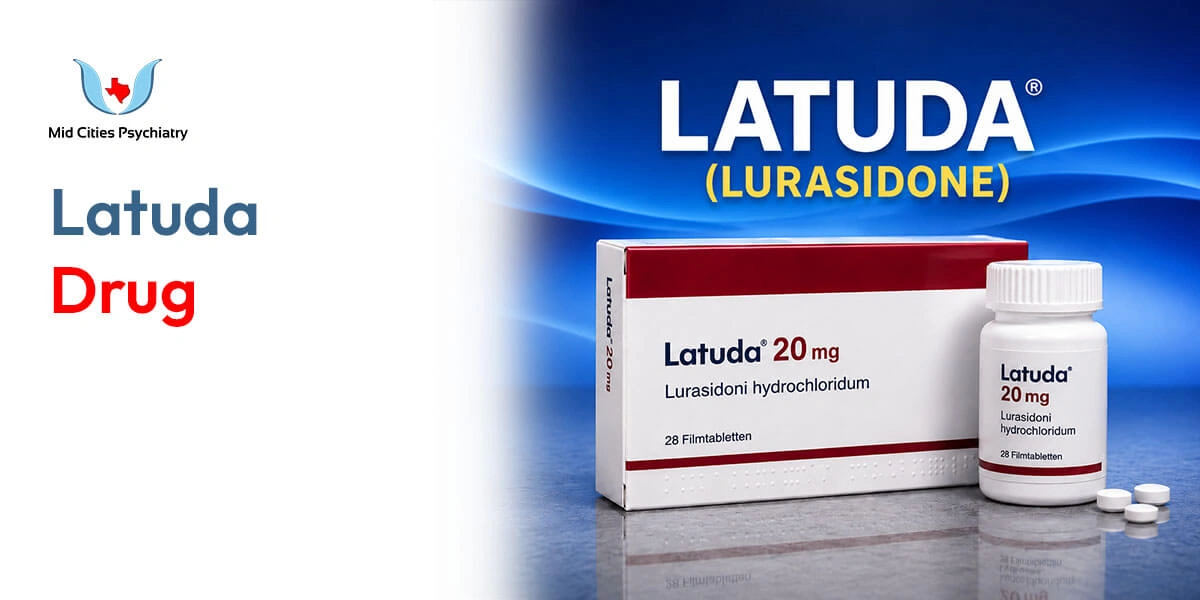
Latuda (Lurasidone)

Latuda (Lurasidone) Author: Dr Kazi, Seema Latuda is an atypical antipsychotic medicine that is used in treating schizophrenia and bipolar disorder. This Latuda drug is prescribed for both adults and adolescents in certain situations. Latuda works by controlling the amount of dopamine and serotonin in the brain. It is one of the most frequently prescribed medications, as it poses less risk of developing any metabolic disorders than some other antipsychotics. Latuda medication is usually taken once a day with meals
Read More »
Vivitrol Feature Image

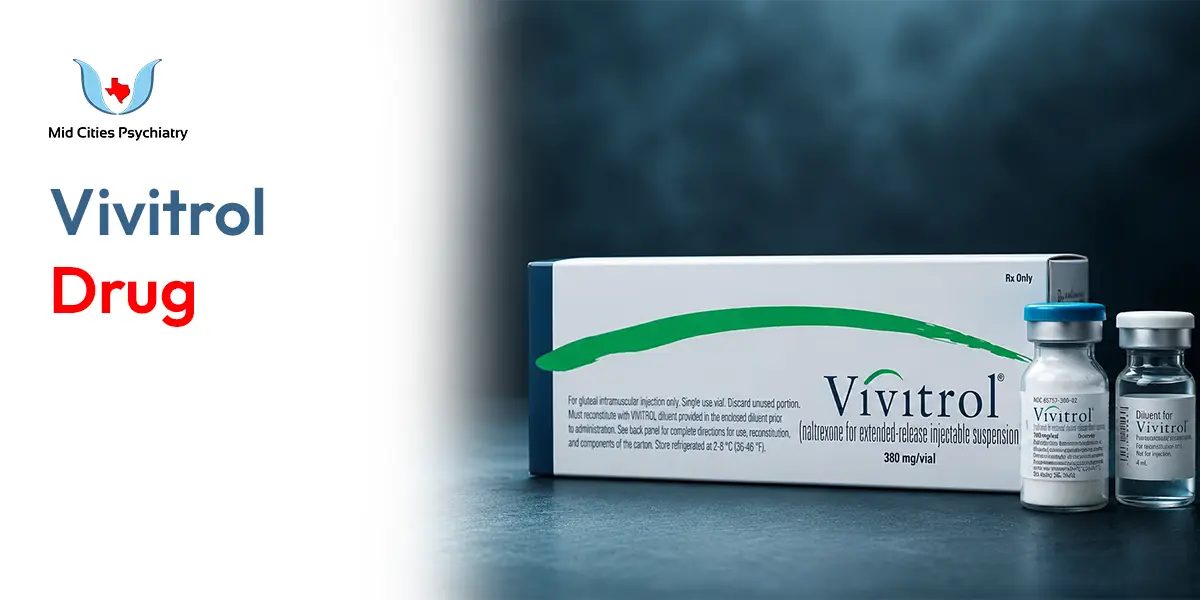
Vivitrol (Naltrexone)

Vivitrol (Naltrexone) Author: Dr Kazi, Seema Recovery from alcohol or opioid dependency might seem difficult, considering that cravings and relapse factors continue to affect you. This scenario is where Vivitrol can prove useful. Unlike oral medications that need to be taken daily, the Vivitrol injection is administered monthly and helps support recovery on a consistent basis. Patients usually favor this method because there is no need to remember to take the medicine each day. The medicine is often prescribed for:
Read More »
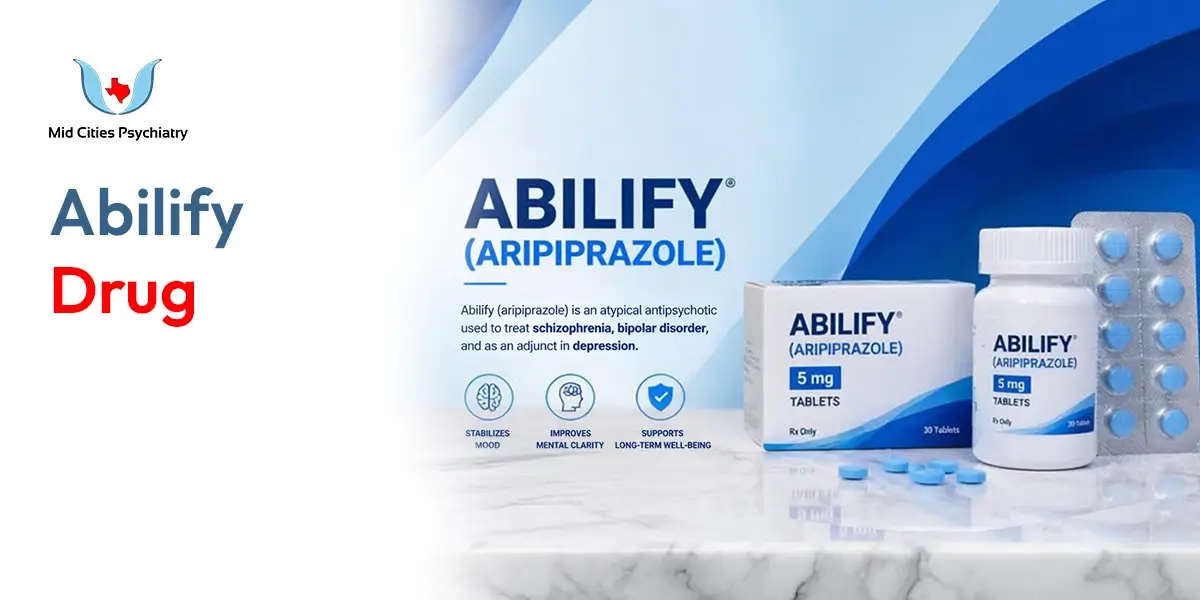
Abilify (Aripiprazole)

Abilify (Aripiprazole)

Abilify (Aripiprazole) Author: Dr Kazi, Seema Abilify (Aripiprazole) is a highly potent drug that is used to treat severe mental disorders like schizophrenia and bipolar disorder. Abilify works in terms of maintaining the balance of brain chemicals, which are responsible for the regulation of our thoughts, behaviors, and mood. The unique mode of action and favorable safety profile contribute to the popularity of Abilify among people who are prescribed the drug for acute or chronic use to manage different diseases.
Read More »
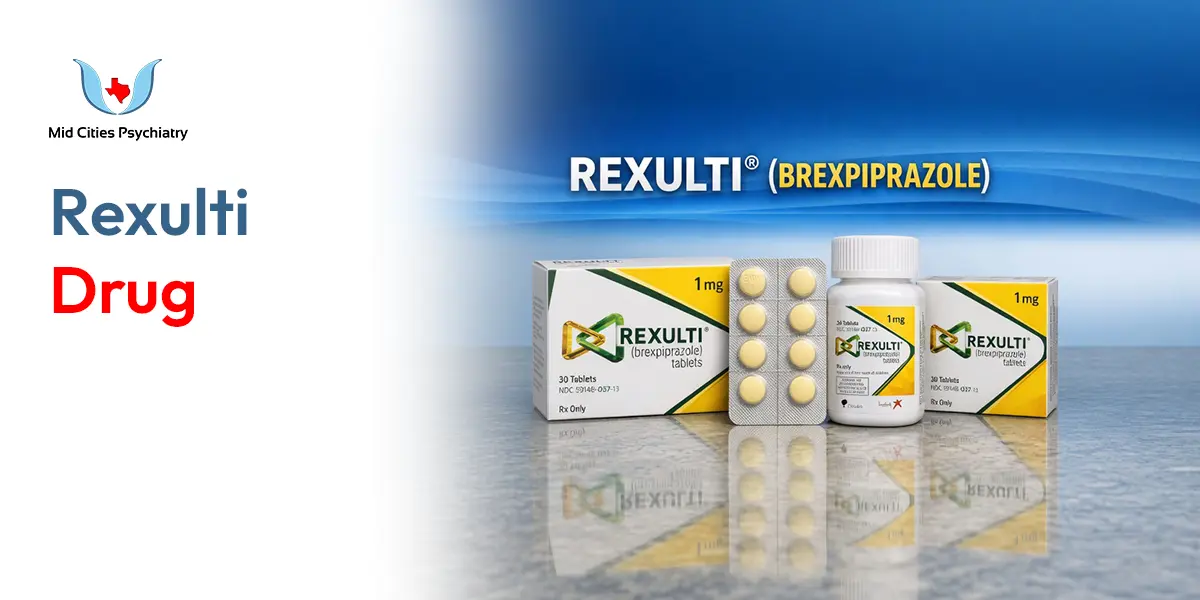
Rexulti (Brexpiprazole)

Rexulti (Brexpiprazole)

Rexulti (Brexpiprazole) Author: Dr Kazi, Seema Rexulti is the trade name for brexpiprazole, a drug used within the practice of psychiatry to help patients suffering from mental disorders such as major depressive disorder or schizophrenia. In practice, Rexulti is administered as additional treatment to antidepressants or as a separate medicine, depending on the case. Rexulti is one of the newest drugs, more specifically, it is an atypical antipsychotic which is developed not to block but to balance serotonin and dopamine
Read More »
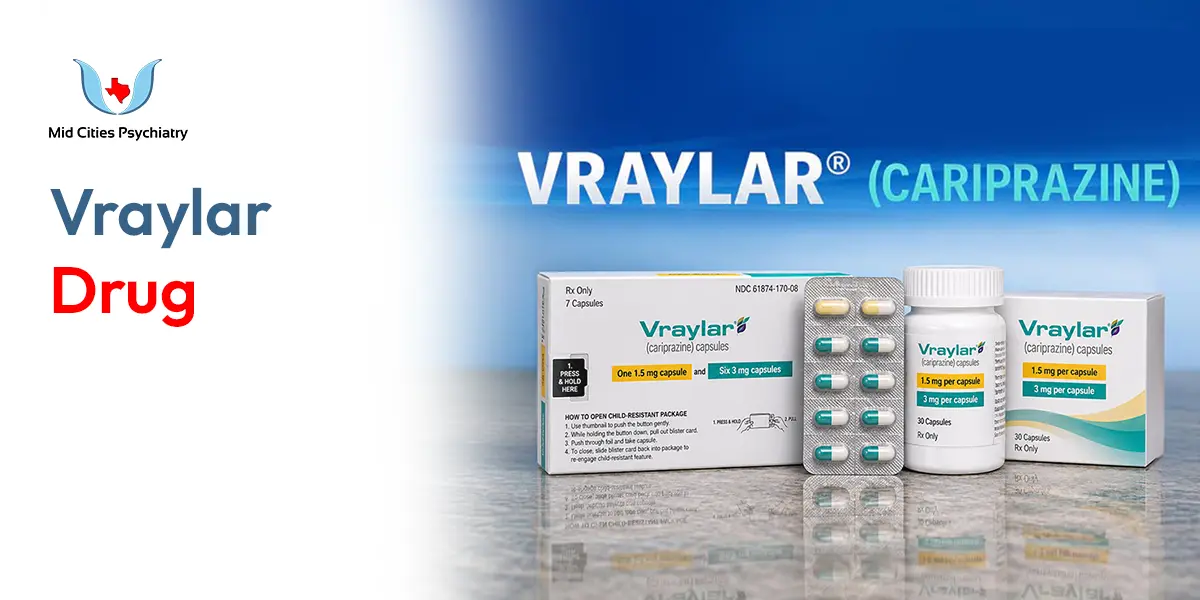
vraylar-feature-image

Vraylar (Cariprazine)

Vraylar (Cariprazine) Author: Dr Kazi, Seema Vraylar (cariprazine) is an atypical antipsychotic drug that is used to treat various psychiatric disorders like Bipolar Disorder and Schizophrenia. Since Vraylar acts on dopamine and serotonin receptors, it is helpful in regulating neurotransmitter activity in the brain that can stabilize moods, relieve psychosis, enhance emotional response, and support cognition. Vraylar is approved by the FDA to be used in the treatment of schizophrenia and bipolar I disorder, including episodes like mania, depression, or
Read More »
buprenorphine-feature image

Buprenorphine: Clinical Monograph

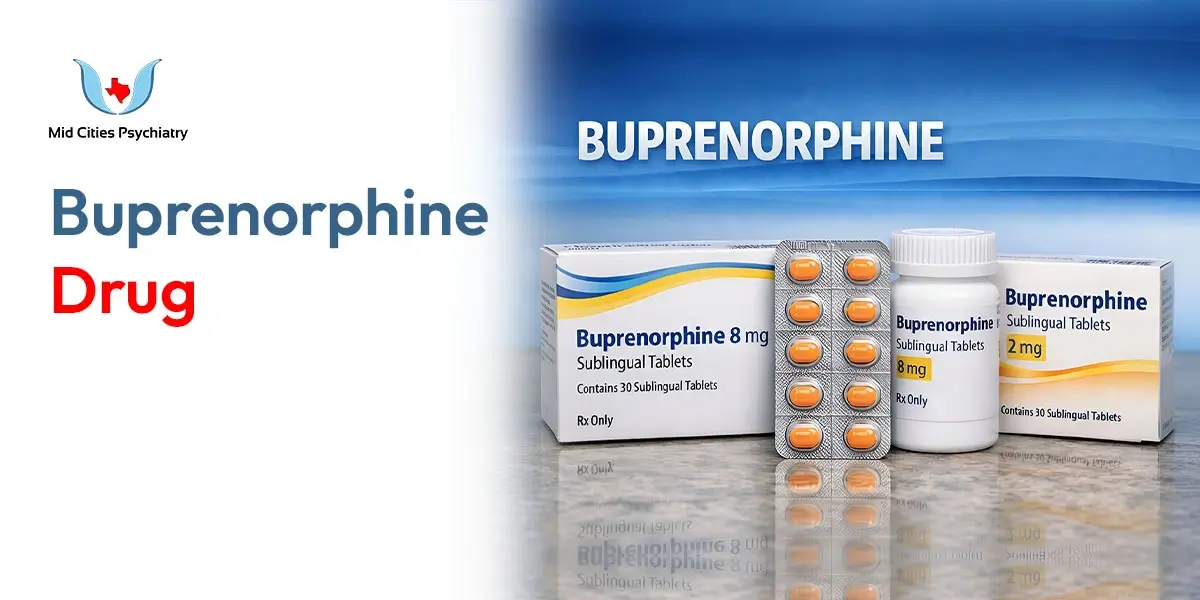
Buprenorphine: Clinical Monograph Author: Dr Kazi, Seema Buprenorphine is an opioid analgesic that is semi-synthesized and commonly used to treat opioid addiction and chronic pain. It belongs to a class of drugs known as partial opioid agonists. As opposed to complete agonists, the drug buprenorphine exhibits a ceiling effect, which helps minimize the chances of breathing difficulties without losing its efficiency in treating the effects of withdrawal syndrome and urges for drugs. Due to this distinctive mode of action, the
Read More »
clozaril-feature image

Clozaril (Clozapine)

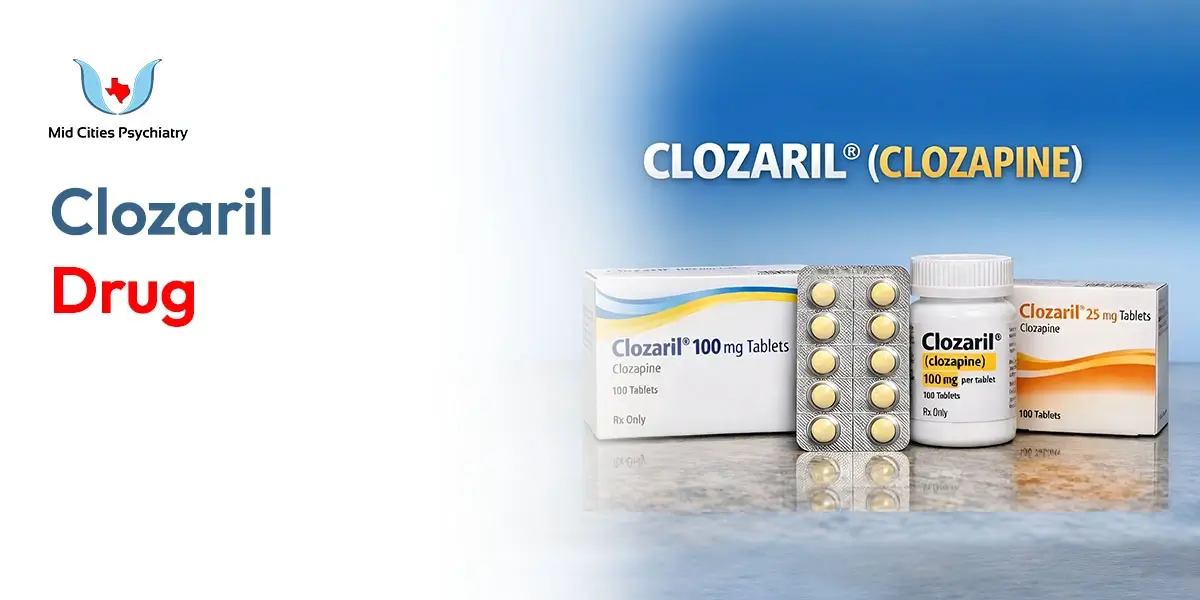
Clozaril (Clozapine) Author: Dr Kazi, Seema Clozaril, otherwise known as clozapine, is an atypical antipsychotic that is primarily used in the treatment of severe cases of schizophrenia, particularly those that are treatment-resistant. In most cases, the use of Clozaril is indicated when the patient does not respond adequately to the effects of other antipsychotic drugs, which is why this drug is important in the treatment of complex psychiatric conditions. The most notable advantage of Clozaril is that it can reduce
Read More »
spravato-feature-image

Spravato Nasal Spray: Uses, Dosage & Side Effects

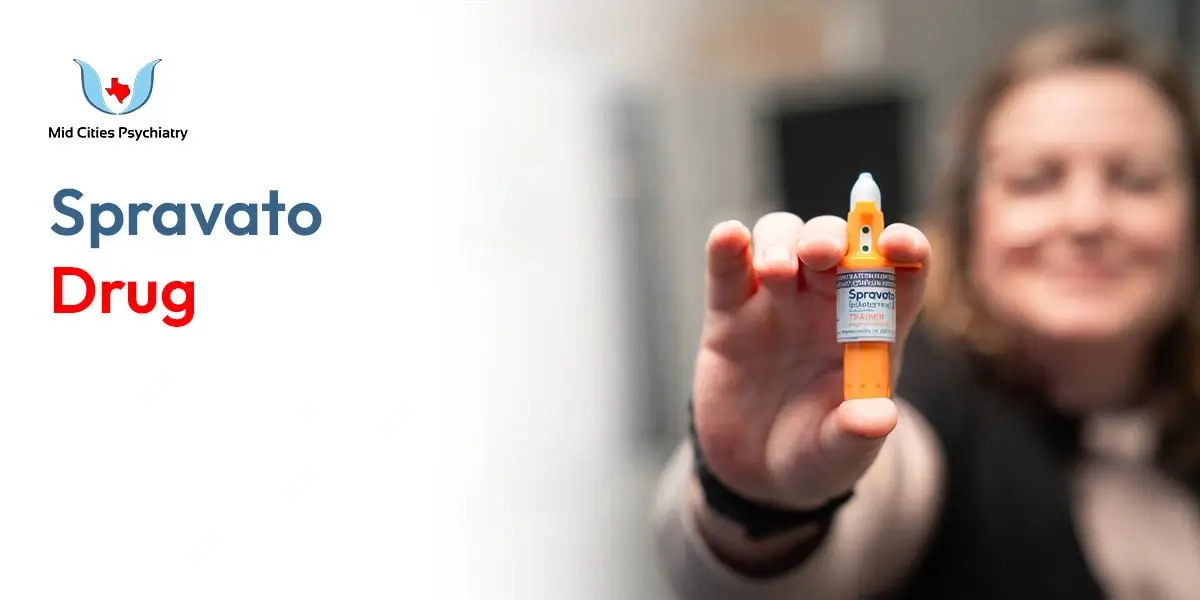
Spravato Nasal Spray: Uses, Dosage & Side Effects Author: Dr Kazi, Seema Spravato is one of the first rapid-acting antidepressant nasal sprays designed for treatment-resistant depression. Spravato is a prescription medication formulated as an esketamine nasal spray, primarily used for individuals with treatment-resistant depression. The medication is different from other antidepressants, as it does not affect the levels of serotonin or norepinephrine but, instead, targets the glutamate system of the brain, providing rapid symptom relief. This unique mechanism enables a

Read More »