

Behavioral Addiction
What Is Behavioral Addiction?
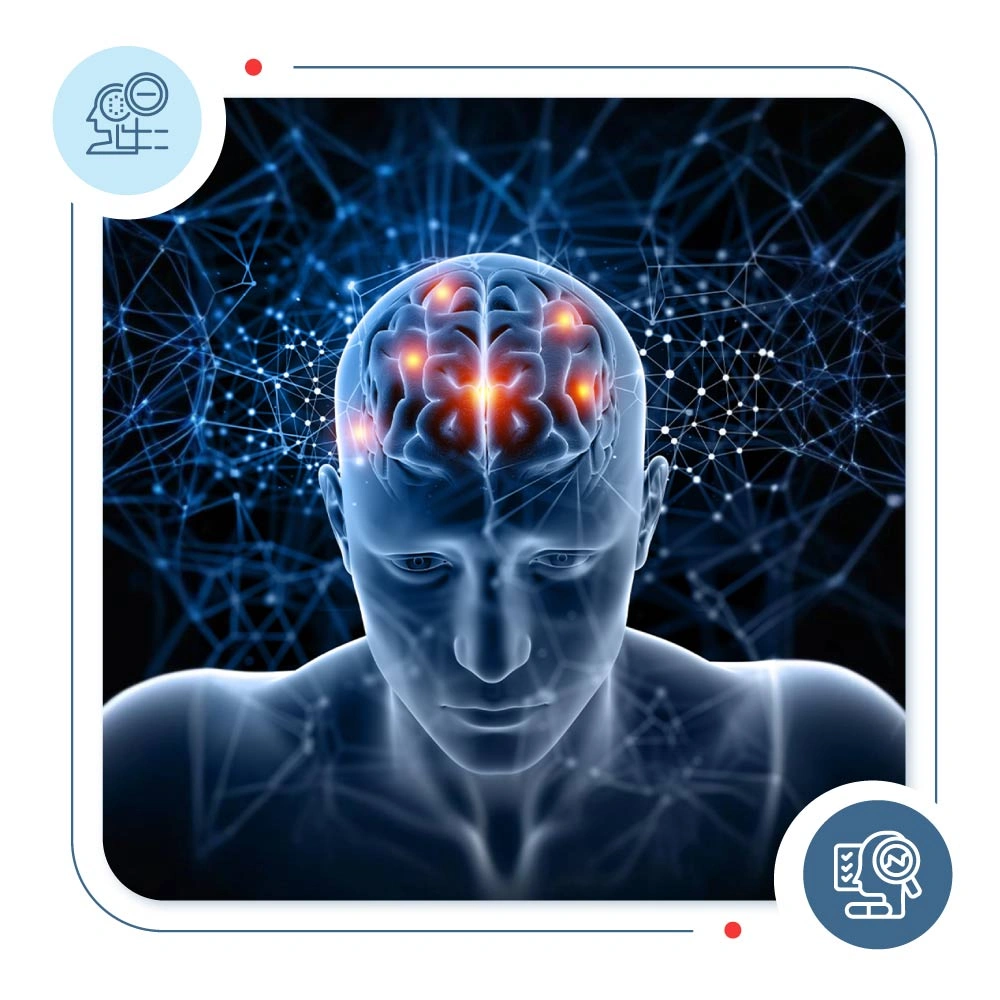
Behavioral addiction is an addictive disorder that falls under the category of Substance-Related and Addictive Disorders. In this condition, a person develops an obsessive interest in a particular activity, such as gambling, shopping, gaming, or internet use, even if it seriously impairs their relationships, daily functioning, or health. Although no chemical is consumed, the brain’s reward system responds similarly to substance addictions. Dopamine is released when an action is repeated, producing pleasurable feelings and reinforcing the behavior. People lose control and continue with their behavior, disregarding the consequences.
Research indicates that behavioral addictions are more severe than most people realize. The combined effect of behavioral addictions was estimated by a global meta-analysis to be around 11% of the population. The generality of some addictions varies by nation and population.
These results suggest that behavioral addictions are common or unique to cultures. Mid Cities Psychiatry provides expert guidance to assist people in identifying, coping with, and overcoming behavioral addictions that affect daily life. With proper treatment, individuals can achieve equilibrium and restore healthy coping mechanisms.
Behavioral Addiction Symptoms
Behavioral addiction symptoms indicate emotional, cognitive, and behavioral changes. Early detection can make a significant difference in diagnosis. The following are typical signs of behavioral addiction:
- Repeatedly thinking about the behavior, plotting when the next chance will arise, or recovering mentally from its impact.
- Gradually, the person feels compelled to do more of the behavior (increased time, increased intensity, or increased risk) to gain the same emotional reward.
- Repeated failed efforts to reduce or quit, even recognizing that the behavior is causing injury. Relapse is frequent.
- The individual becomes irritable, restless, anxious, or emotionally upset if he is not able to perform that particular task.
- Work, school, family, or social responsibility is neglected. The person avoids doing daily chores or responsibilities to engage in the behavior or conceal its extent.
What Causes Behavioral Addictions?
Behavioral addictions evolve due to the interaction of biological, psychological, and environmental factors. There isn’t just a single cause that accounts for why some people become addicted, studies recognize several contributing factors:
Brain chemistry and reward circuitry
Behaviors such as gambling, gaming, or buying result in the liberation of dopamine, the “pleasure” chemical of the brain. Over time, the brain requires more of the behavior to achieve the same reward, leading to a dependency on the behavior.
Genetic risk
People with a family history of addiction, whether substance or behavioral, are more likely to develop compulsive behavior patterns.
Behavioral addictions are closely associated with anxiety, depression, and ADHD. Most individuals tend to reduce stress and emotional pain with these behaviors.
Environmental and social factors
Easy access to gambling and other negative factors gives rise to behavioral addictions. Pressure of society and cultural standards regarding risk-taking support such behaviors even more strongly.
Personality characteristics
Impulsivity, sensation-seeking, and emotional regulation difficulty are linked with a higher probability of falling into addiction.
Because the causes of behavioral addictions are complex, recovery often requires professional help.
Types of Behavioral Addictions
All behavioral addictions involve compulsive, harmful behaviors. The Diagnostic Statistical Manual (DSM-5) formally recognized Gambling Disorder as a type of behavioral disorder. However, Internet Gaming Disorder is categorized as a separate category.
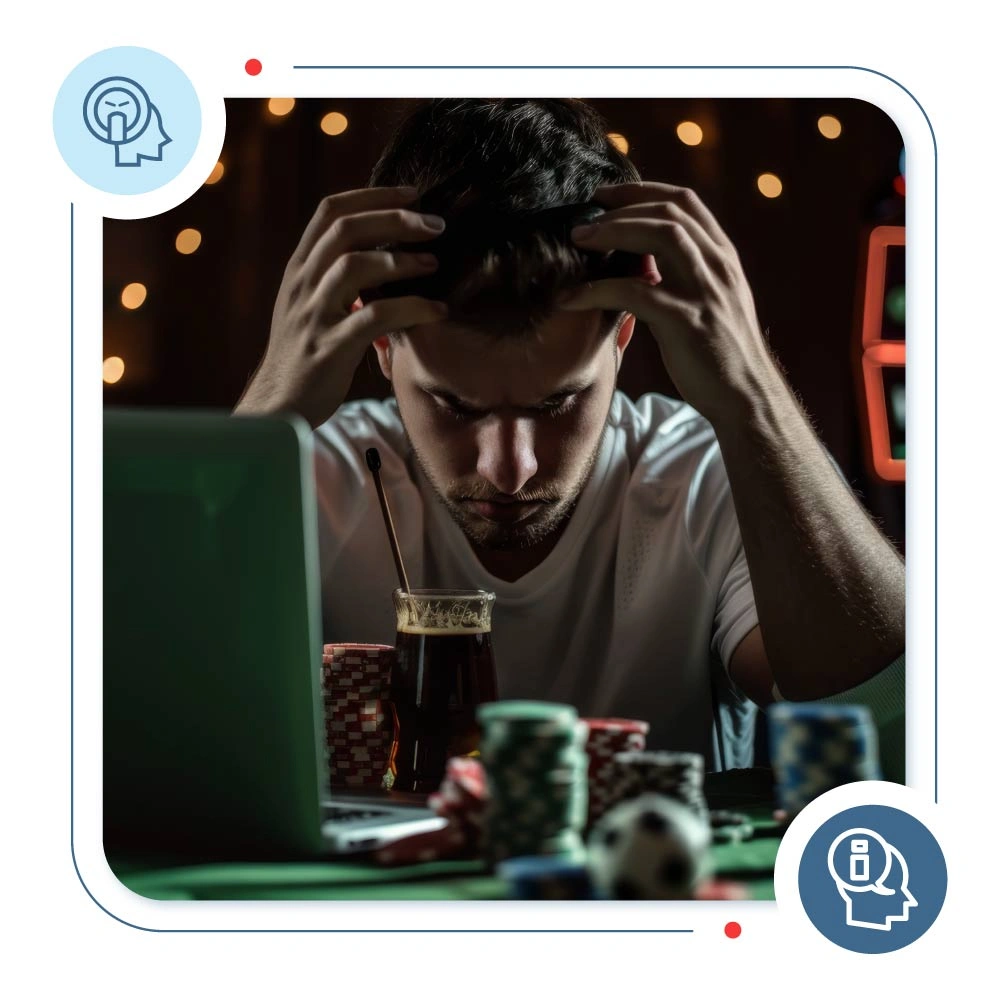
Gambling Disorder: Persistent and recurring gambling behavior that causes significant disturbance in one’s life.
Gaming Disorder: The World Health Organization calls it “Gaming Addiction”; it results in loss of control over gaming, and it affects 1 to 10% people across the world.
Other behavioral addictions that are not officially categorized as a disorder in DSM-5, but are commonly found and discussed in clinical studies:
Internet Addiction: Excessive online use that disrupts sleep, reduces productivity, and increases isolation, affecting up to 10% of young adults worldwide.
Sex Addiction: Out-of-control sexual activity, such as overuse of pornography or dangerous encounters, that disrupts relationships, self-esteem, and normal living.
Shopping Addiction: Also referred to as compulsive buying disorder, it includes binge spending coupled with subsequent guilt or financial hardship. According to recent research, approximately 10% of adults suffer from it.
Exercise Addiction: Performing severe exercise even when you are sick and injured. Even though exercising daily is beneficial, overtraining with obsession leads to physical harm.
Work Addiction: It is referred to as workaholism, an obsession with work without taking care of health, interpersonal relationships, and one’s own life.
Most individuals will suffer from more than one addiction at a time, which makes diagnosis and treatment difficult.
Behavioral Addiction Treatment
There should be a comprehensive behavioral addiction treatment that controls both the compulsive behavior and mental health issues. Because these addictions resemble substance use disorders in the brain, evidence-based therapies are highly effective when applied consistently.
Cognitive Behavioral Therapy (CBT)
Individual Therapy
Group Therapy
Lifestyle Interventions
Treating early is more impactful. Research shows that people who start treatment for their addiction early are significantly better off than those who wait.
Behavioral Addiction FAQ's
01
What is the difference between substance addiction and behavioral addiction?
While substance addiction focuses on drugs or alcohol, behavioral addiction includes obsessive behaviors like gambling, gaming, internet use, or shopping. Chemical dependence is not a factor in behavioral addictions, but both impact the brain through dopamine release and loss of control.
02
Can someone have more than one behavioral addiction at the same time?
Yes. Many people have trouble with multiple behavioral addictions at the same time, such as internet addiction and gambling or shopping addiction.
03
What are the warning signs of a behavioral addiction?
Early warning signs are preoccupation with the behavior, loss of control, work or relationship neglect, and withdrawal-like symptoms such as becoming irritable when not able to participate.
Real Stories, Real Recovery
We provide a comprehensive care provision for the most common mental issues people struggle with, such as PTSD, ADHD, OCD, anxiety, depression, sleep disorder, schizophrenia, and numerous other mental health conditions.