

Gender Dysphoria
What is Gender Dysphoria?
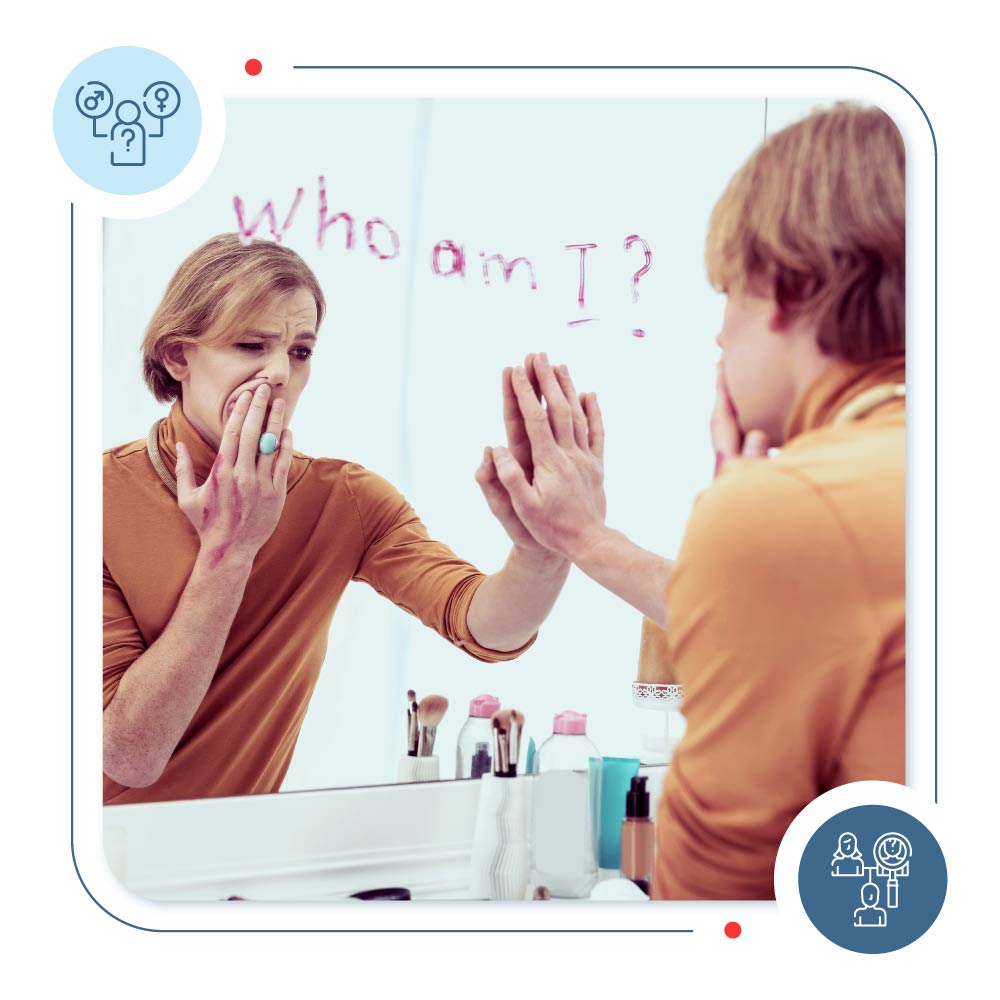
Gender dysphoria is defined as the psychological distress experienced due to an incongruence between the sex with which a person was born and their gender identity. It is more than a desire to be different; the condition implies profound emotional discomfort that might influence mental health, day-to-day activity, and overall well-being.
According to the Diagnostic Statistical Manual (DSM-5), gender dysphoria starts before puberty or during or after puberty in non-intersex individuals. Research shows that people who experience this later in life often hide their gender dysphoria feelings from others when they were younger.
This dysphoria is not an illness, but the distress can lead to mental health issues like anxiety, depression and substance abuse disorder. There are treatments to deal with this distress. Mid Cities Psychiatry offers personalized treatments to help you understand your feelings and provides coping techniques. Our mental health experts deliver supportive behavioral health therapies for gender dysphoria to bring your physical appearance in line with how you feel inside.
Gender Dysphoria Symptoms
Beginning in childhood, gender dysphoria may continue in adolescence and adulthood. But some people may not notice their gender dysphoria symptoms, or the feelings may come and go. Individuals who suffer from gender dysphoria may have changed their hobbies, behavior, or appearance. The signs of gender dysphoria may differ in children and adults. Children with gender dysphoria may
- Strongly prefer to play with children of the other gender
- Prefer toys and activities traditionally thought of as of the other gender
- Insist that they are the other gender or strongly want to be the other gender
- Want to dress in clothes of the other gender
- Feeling a strong dislike of their genitals
In adults, they may
- Want to have the physical and sexual characteristics of the other gender
- Want to get rid of their genitals
- Want to be treated like the other gender
- Feel and react in ways associated with the other gender
These gender dysphoria symptoms can impact your work life, school life, social life, or other areas of life.
What Causes Gender Dysphoria
It was once believed to be a mental illness or psychiatric disease. Research suggests that the brain may not be the only source of this phenomenon.
- Gender dysphoria may be due to biological reasons before birth.
- Genetic Factors: Recent research reveals that genetics may play a role in the development of gender dysphoria. It suggests that the condition tends to run in families, but there is no evidence in gender dysphoria DSM 5.
- Hormonal Causes: It’s possible that hormones that cause sex and gender development in the womb don’t work properly. For instance, the gender identity derived from the brain may be female, yet the anatomical sex derived from the genitals may be male.
- Social Factors: Family expectations, cultural conventions, and society roles all play a part in how children are trained to understand gender. Gender dysphoria may result from a child feeling compelled to fit into a gender role that doesn’t feel real.
- Psychological Reasons: A mismatch between an individual’s self-concept and the gender norms that society has imposed may lead to gender dysphoria. Other factors include childhood trauma, such as abuse or neglect.
Gender Dysphoria Treatment
The main goal of treatment is to help the person overcome the distress they feel. It is not about changing the way you feel about your gender. At Mid Cities Psychiatry, we have a multidisciplinary team of psychologists, psychiatrists, and family therapists.
After doing a detailed assessment, we offer a customized gender dysphoria treatment that addresses the mental and emotional impact on you or your loved one.
At Mid Cities Psychiatry, compassionate care is offered to help individuals experiencing gender dysphoria find effective treatment options tailored to their needs. Following are some of the treatment options:
- Comprehensive Care Approach – This approach involves collaboration between primary care providers, endocrinologists, and mental health professionals, with referrals tailored to the patient’s age and needs.
- Psychotherapy and Counseling – Individual, family, and group therapy for children; combined psychotherapy and hormonal guidance for adolescents; psychotherapy, hormonal, and surgical options for adults.
- Hormonal Therapy – Transgender women may take estrogen and blockers, while transgender men use testosterone. These treatments help align the body with gender identity, but it’s important to have regular follow ups.
- Surgical Interventions – This option is to be considered after at least one year of hormone therapy. It Includes procedures such as breast augmentation, vaginoplasty, phalloplasty, and metoidioplasty. Requires realistic expectations and ongoing support.
- Support Systems and Standards of Care – Guided by World Professional Association for Transgender Health (WPATH) standards, emphasizing individualized treatment plans, age-appropriate interventions, and continuous family, peer, and community support to ensure long-term well-being.
Gender Dysphoria Related FAQ's
01
Is gender dysphoria considered to be a mental disorder?
02
How to deal with gender dysphoria?
03
Is therapy helpful for people experiencing gender dysphoria?
Yes, people with gender dysphoria can frequently feel more at ease with their gender identity expression with behavioral health therapy.
04
What resources are available for people living with gender dysphoria?
Real Stories, Real Recovery
We provide a comprehensive care provision for the most common mental issues people struggle with, such as PTSD, ADHD, OCD, anxiety, depression, sleep disorder, schizophrenia, and numerous other mental health conditions.